CPSM Calamos S&P 500 ® Structured Alt Protection ETF - May
Absorbs losses from 0.2% to 100.0% on SPY and caps the gain at 6.5%, over a period ending May 1, 2027
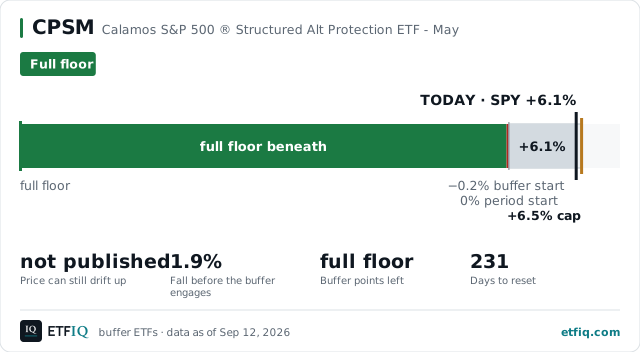
As of Sep 12, 2026, CPSM sits between its buffer and its cap, with SPY up 6.1% since the period began.
Key facts
In plain words
In index terms, SPY can fall 5.9% from today's level to the point where the buffer begins. Protection left, in index points: 99.8% of the 99.8% buffer still sits below today's SPY level. 231 days remained on Sep 12, 2026. On May 1, 2027 the period ends and a new cap is set.
| Reference index | SPY |
|---|---|
| Buffer | 0% to 100% |
| Outcome period | May 1, 2026 to May 1, 2027 |
| Starting cap | +6.5% |
| SPY return since period start | +6.1% |
| Fund return since period start | +1.7% |
| Net assets (source, as filed for Apr 30, 2026) | $53m |
| Band state today (ETFIQ) | Open |
| Can still gain (issuer, fund price) | not published |
| Fall before buffer (issuer, fund price) | 1.9% |
| Fall to the buffer in index terms (ETFIQ) | 5.9% |
| Protection left in index points (ETFIQ) | 99.8% of 99.8% |
| Days left in period | 231 |
| Expense ratio (issuer page, Sep 12, 2026) | 0.69% |
Issuer-published figures as of the date shown; ETFIQ calculations marked. Definitions on the learn page. How these figures are computed
Questions people ask
- How far can CPSM fall before the buffer helps?
- 1.9% in fund-price terms on Sep 12, 2026, by the issuer's figure. In index terms SPY can fall 5.9% from that level before the buffer begins. Losses until that point are the holder's.
- How much of the CPSM buffer is left?
- 99.8% of the 99.8% buffer sat below the SPY level on Sep 12, 2026. That is an ETFIQ calculation in index points, on one definition for every issuer.
- When does CPSM reset?
- The outcome period ends on May 1, 2027, 231 days from the data on Sep 12, 2026. A new cap is set the next day and the buffer starts again.
- What does CPSM cost?
- The prospectus expense ratio is 0.69% a year.
The words on this page
- Buffer
- The first slice of loss the fund absorbs for you over its outcome period, stated on the reference index. A 15% buffer means the index can fall 15% before you take any of it.
- Cap
- The most the fund can return over the period, however far the index rises. It is the price paid for the buffer.
- Outcome period
- The window the buffer and cap apply over, usually a year. Both are set at the start and only hold if you are there for the whole of it.
- Reset
- The day one outcome period ends and the next begins, with a fresh buffer and a fresh cap struck at that day’s level.
- Protection left
- The part of the buffer still below today’s index level. A buffer bought mid-period is not the full buffer; this is what is left of it.
Every term used here, defined in full on the buffer ETFs vocabulary page.
Where these figures came from
ETFIQ links to the documents behind every figure. It is not affiliated with any issuer, and a link is not an endorsement.
Compare CPSM
Funds near this one
Put this on your own page
The outcome band for CPSM, redrawn every trading night. Free to use with the credit link.
Where CPSM is written about
Use this data, or open the live card
Open CPSM live on ETFIQ, where the figures refresh with the data.
Cite this page. ETFIQ, CPSM, buffer ETFs, data as of Sep 12, 2026. https://etfiq.com/funds/CPSM Free to use with attribution; the underlying files are at Open data.